In the late 1950s, across the American South, the morning air rang with gospel hymns from churches,
and the night streets echoed with the ache of the Blues.
When these two voices met — prayer and pain, heaven and earth — a new sound was born.
It was called Soul.
Gospel gave people hope, and the Blues taught them truth.
Soul brought the two together — music that embraced both the joy and the sorrow of being alive.
It wasn’t sung to impress; it was sung to survive.
The moment a singer stood before the microphone, the wall between performer and listener disappeared.
What remained was resonance — the sound of one heart answering another.
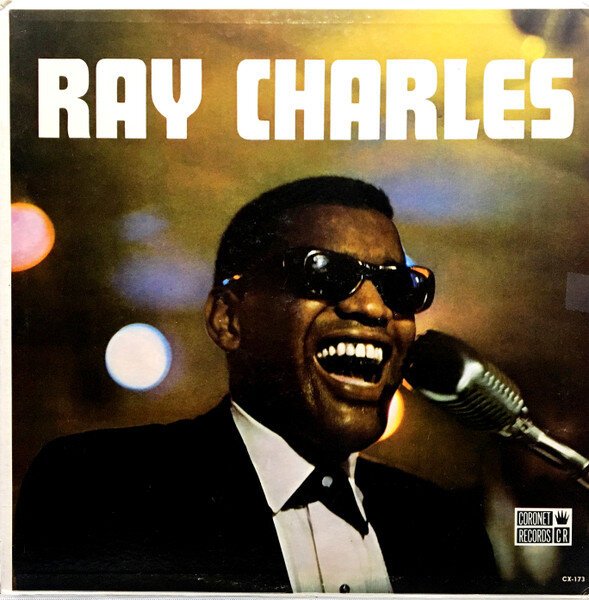
At the heart of this new wave stood Ray Charles,
a blind boy from Georgia who heard the world in colors no one else could see.
He took the passion of gospel and blended it with the raw emotion of rhythm and blues,
defying every boundary that tradition had set.
In 1954, he sang "I Got a Woman.” It was a love song that carried the fire of a sermon —
a daring act that changed the course of music itself.
At that moment, the soul of the people found its voice.
The 1960s arrived, and with them came turmoil and hope.
The voice of Dr. Martin Luther King Jr. echoed across the streets,
and the struggle for freedom filled the air.
In that same air, Sam Cooke sang softly,
"A Change Is Gonna Come.” It wasn’t a protest song, nor a cry of anger —
it was a prayer whispered to the future.
Through his voice, people felt what justice could sound like.
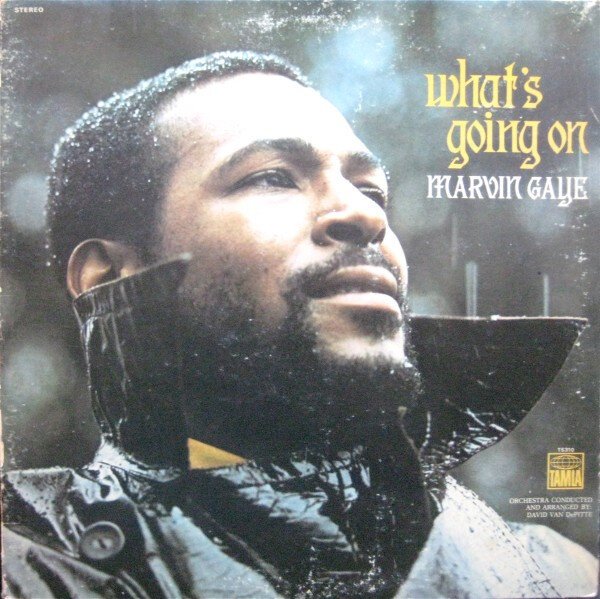
Meanwhile, up north in Detroit, a group of young dreamers in sharp suits built a studio called Motown.
They polished rhythm into elegance and sent it out into the world.
Marvin Gaye’s "What’s Going On” became the heartbeat of a generation tired of war and division.
It was gentle but unflinching,
a message that proved music could be both love and protest at once.
Soul was no longer just about romance —
it became a mirror reflecting the times.
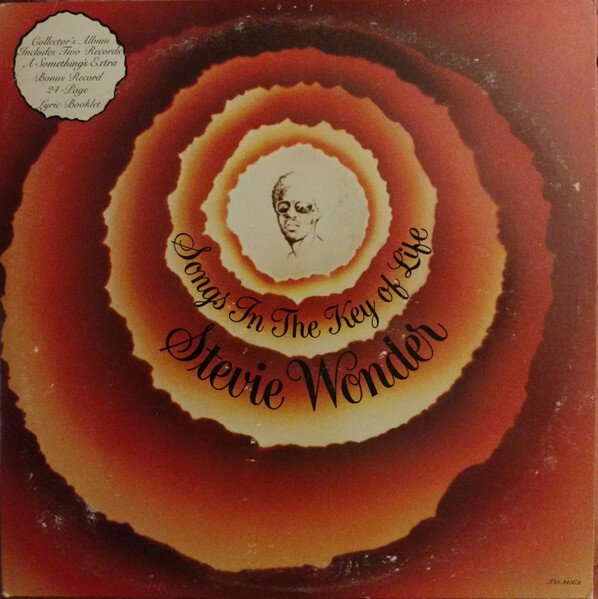
In the 1970s, the sound grew stronger,
carrying the heat of cities and the power of awakening voices.
Aretha Franklin stood on stage and raised her arms,
commanding the world to give her one simple word — "Respect.” With that cry, she gave strength to millions of women,
turning music into a movement.
At the same time, a new rhythm began to throb — Funk.
James Brown spoke before the beat,
his words cutting through like electricity:
"Say it loud — I’m Black and I’m proud.” Each downbeat carried the pride of a people claiming their place in the world.
Soul had become pure energy — the rhythm of survival itself.
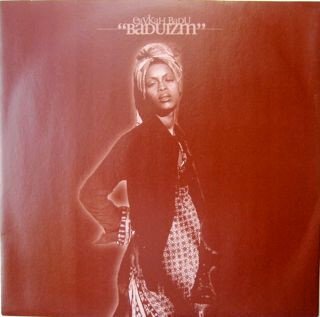
By the 1980s, the fire softened into light.
Lionel Richie, Whitney Houston, Stevie Wonder —
their voices carried tenderness and faith,
singing not of struggle, but of reconciliation and love.
And then came the new century, and Soul found new forms once again.
Erykah Badu and D’Angelo drew warmth from the analog past
and wove it with the smooth pulse of the digital age.
This neo-soul sound celebrated individuality and authenticity —
a gentle rebellion against perfection.
Soul keeps changing, but its roots never move.
It is the music that holds us when we are wounded,
that teaches us to believe in tomorrow.
It transforms anger into love, and despair into light.
That is the power of Soul — the song of the human heart.
Walk through the city at night, and somewhere, faintly, a melody plays.
It may be someone’s pain — or someone’s hope.
But in that sound, love and loss live side by side.
And as long as that music plays, the human voice will never fall silent.