In the 1950s, families gathered around the radio in living rooms filled with hope.
The war was over, the world was rebuilding, and from the speaker came bright, melodic songs that promised a new beginning.
This was popular music — later called Pop — born from the everyday lives of ordinary people.
It carried the rhythm of optimism, the pulse of peace returning to the world.
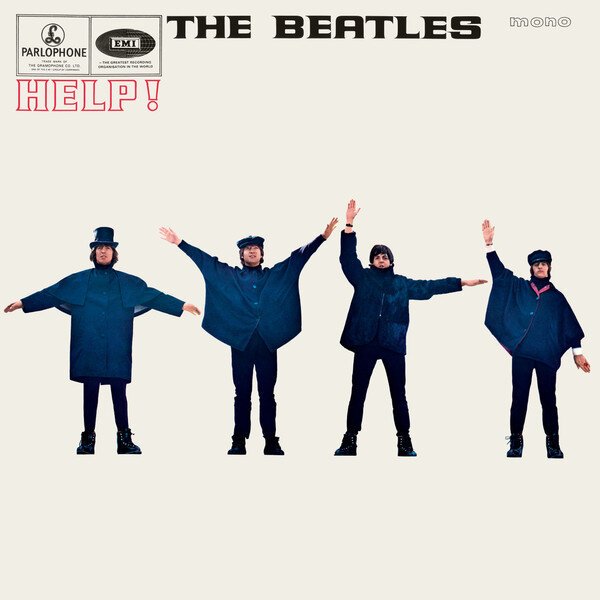 The Beatles
By the 1960s, a cultural wind was blowing across the Atlantic.
Television connected continents, and from London and Liverpool came a revolution of melody and youth.
Four young men — The Beatles — changed everything.
Their music began with love, but soon turned into a universal language of peace and hope.
"All You Need Is Love” was more than a lyric — it was a prayer that crossed borders and generations.
At the same time, in America, The Beach Boys brought waves of harmony, while Stevie Wonder filled pop with soul and faith.
Pop had become more than entertainment — it was a gentle comfort for a changing world.
The 1970s shimmered with new colors.
The Carpenters sang of quiet loneliness and tender dreams, their voices as soft as sunlight after rain.
ABBA filled the dance floors with glittering joy, and Elton John turned the piano into a storyteller of love and loss.
Each melody felt like a friend — a companion through the everyday dramas of ordinary people.
Pop was no longer just the sound of the times; it had become the soundtrack of human memory.
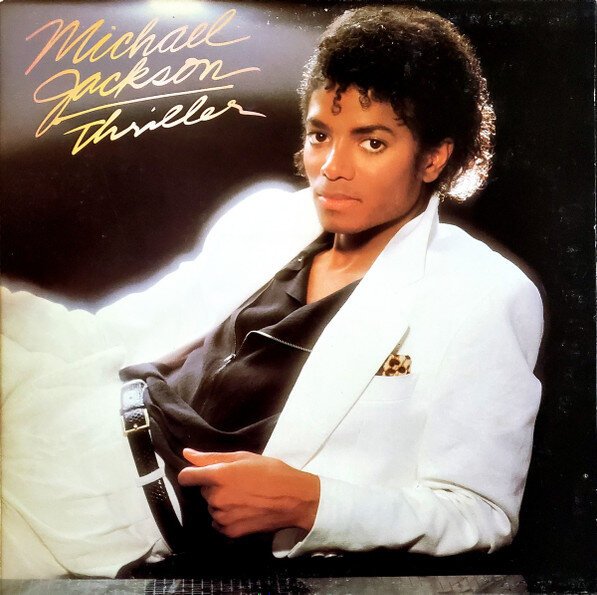 Michael Jackson – Thriller
Then came the 1980s, and the screen lit up.
MTV transformed music into something to see. Sound met image, and Pop became a vivid spectacle of creativity.
Michael Jackson moonwalked across the world, Madonna turned provocation into empowerment,
and Prince merged rock, funk, and art into his own galaxy.
It was a decade when Pop became a global language — a revolution of rhythm, vision, and identity.
The 1990s carried Pop into a new age of connection.
The Cold War had ended, and the internet was awakening.
The world grew smaller, yet dreams grew larger.
Mariah Carey soared into impossible high notes, Britney Spears captured the spirit of youthful rebellion,
and producers from Sweden crafted melodies that conquered charts everywhere.
Pop was no longer tied to one country — it belonged to anyone with a voice, a dream, and a song to share.
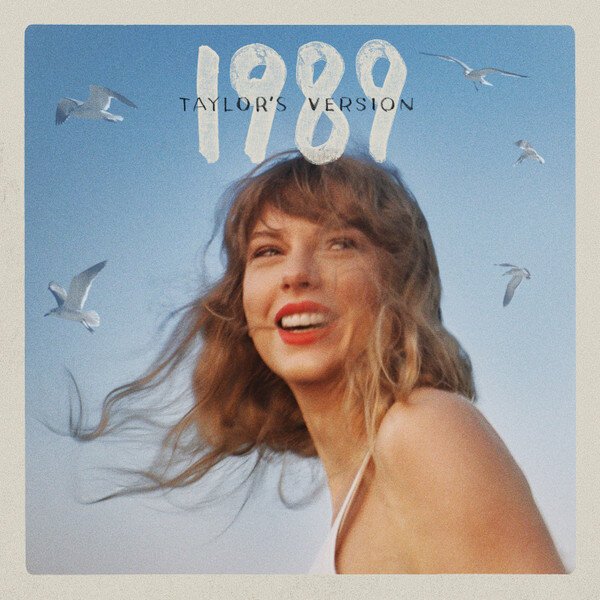 Taylor Swift
By the 2000s, Pop turned inward, telling stories not of the world, but of the self.
Taylor Swift sang of love and heartbreak with disarming honesty.
Adele turned pain into power, and Ed Sheeran reminded us that sincerity could still move millions.
In an age of screens and endless scrolling, Pop rediscovered its most human quality — emotion.
It became quieter, deeper, more personal, offering warmth in a digital world that often felt cold.
And today, Pop has become infinite.
Genres blur, languages mix, and borders fade.
From Seoul to Los Angeles, London to Lagos, new voices rise — BTS, Billie Eilish, Olivia Rodrigo —
each reflecting the world’s heartbeat in their own way.
Pop is no longer just the mirror of one generation; it is the mirror of everyone.
Because Pop is life — its joy, its heartbreak, its endless search for connection.
It’s the sound that carries us through heartbreaks and sunrises, through youth and memory, through solitude and celebration.
Somewhere, right now, a song plays in a café, a car, a bedroom, and someone feels a little less alone.
That’s the quiet power of Pop — to remind us that our stories are never just our own.