The Who — Mod-Born Rock, Maximum Volume, and Bold Storytelling
In mid-1960s London, as the mod scene pulsed through clubs and scooters lined the streets, The Who arrived with a sound that felt bigger than the room it was played in. With Roger Daltrey on vocals, Pete Townshend on guitar and songwriting, John Entwistle on bass, and Keith Moon on drums, they turned sharp R&B energy into unmistakably rock — loud, urgent, and built to shake the walls.
Early singles like "My Generation" weren’t just hits — they were declarations. Stuttering defiance, snarling attitude, and a band that sounded like it couldn’t (and wouldn’t) sit still. On stage, The Who became famous for intensity and chaos: amps pushed hard, feedback embraced, and performances that felt like a controlled demolition.
But they weren’t only about volume. Townshend’s ambition kept expanding the band’s scale — from tight pop blasts to bigger ideas that asked more from rock than a three-minute rush. That leap became unmistakable in 1969 with Tommy, a rock opera that proved an album could carry a full narrative arc and still hit with the force of a live show.
The early 70s cemented their legend: the ferocious document of Live at Leeds, the synth-powered punch of Who’s Next, and the sweeping, cinematic world of Quadrophenia. Each one balances muscle and imagination — a band that could be visceral and conceptual at the same time.
Decades on, The Who’s influence runs through stadium rock, punk energy, and any artist who treats performance like an event. Drop the needle and you can still feel it: the crackle before the riff, the drummer who sounds like he’s falling down the stairs — brilliantly — and songs that seem designed to be shouted back by a crowd.
Milestones
- 1964: The Who form in London, emerging from the mod/R&B circuit with a reputation for sheer live intensity.
- 1965: "My Generation" becomes their defining early anthem — a sharp, rebellious statement that helped shape British rock’s new attitude.
- 1969: Tommy expands the band’s ambition and helps establish rock opera as a major artistic form.
- 1970: Live at Leeds captures The Who at peak power — often cited among rock’s greatest live albums.
- 1971: Who’s Next delivers massive, synth-infused rock with generation-defining tracks like "Baba O’Riley" and "Won’t Get Fooled Again".
- 1973: Quadrophenia arrives as a sweeping mod-era epic — narrative, cinematic, and emotionally charged.
Iconic Albums
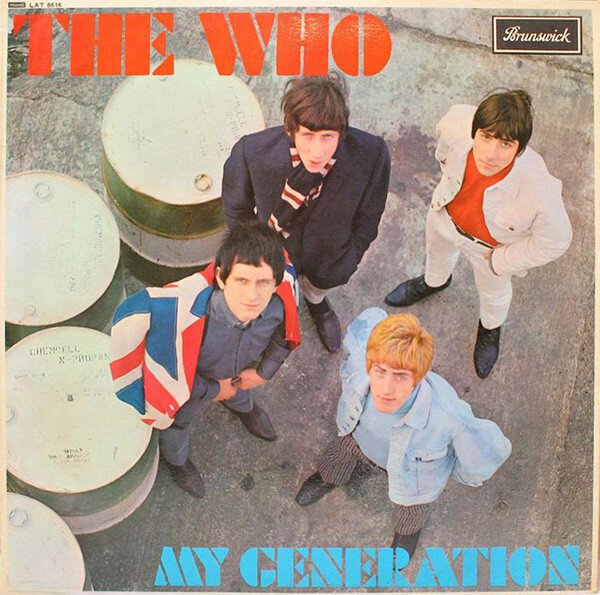
My Generation (1965)
A fierce and rebellious blast of early British rock — raw, loud, and charged with youthful defiance.
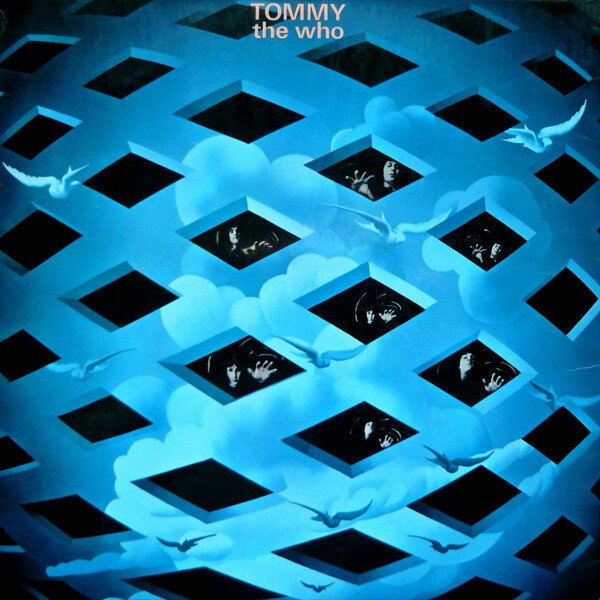
Tommy (1969)
A landmark rock opera — ambitious storytelling with riffs and hooks built for a bigger stage.
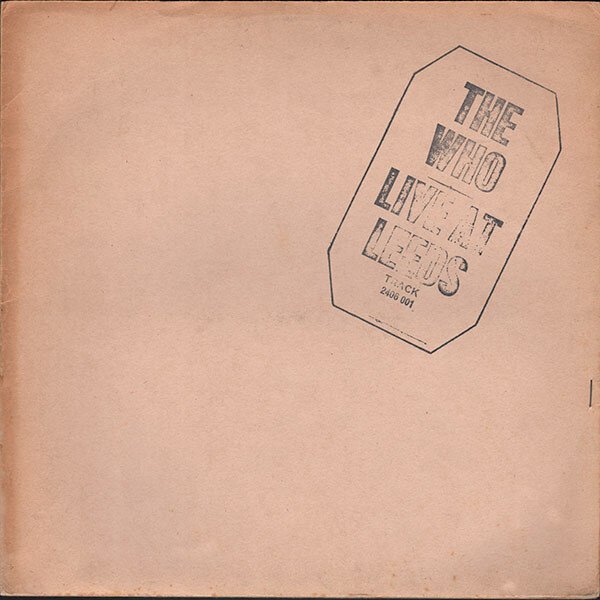
Live at Leeds (1970)
Ferocious, tight, and loud — the band’s live force pressed into vinyl with no safety rails.
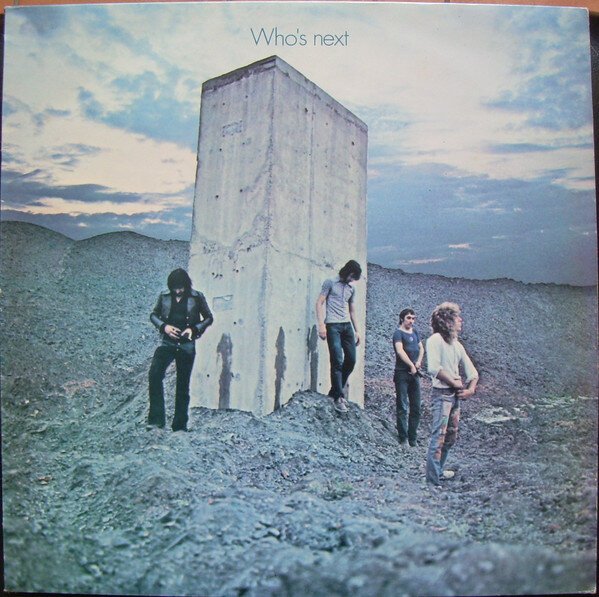
Who’s Next (1971)
Big synth pulses, bigger riffs — a definitive statement of early 70s rock at stadium scale.
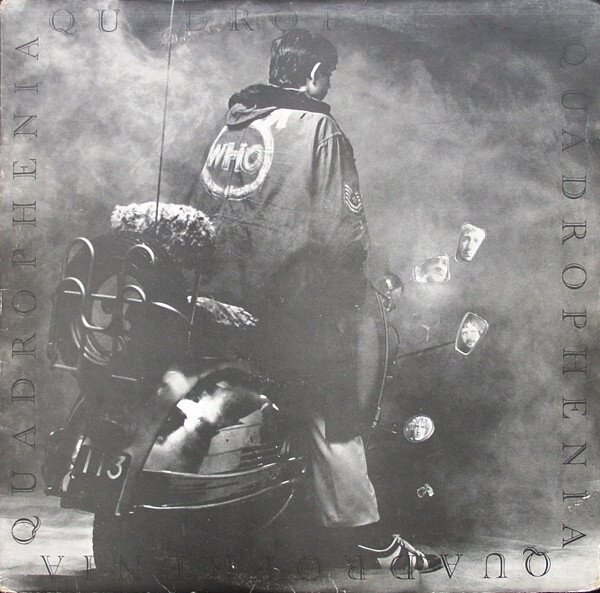
Quadrophenia (1973)
A cinematic mod epic — identity, youth, and chaos rendered with orchestral sweep and rock thunder.
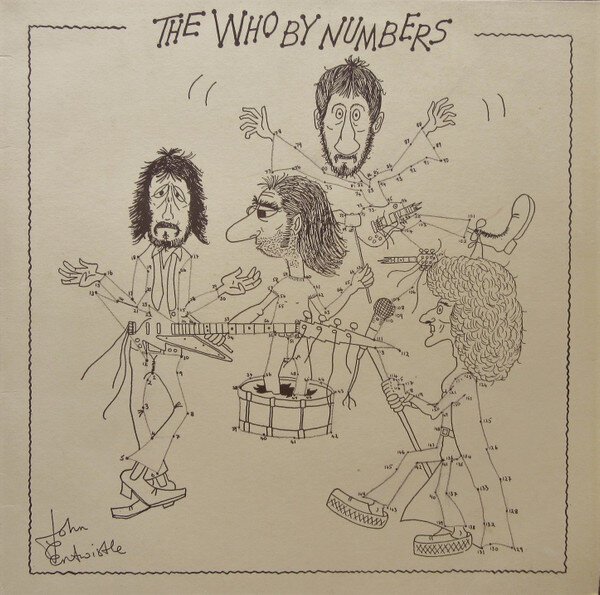
The Who by Numbers (1975)
Sharper introspection and mature songwriting — a powerful counterweight to the earlier bombast.
Essential Songs
- My Generation
- Substitute
- I Can See for Miles
- Pinball Wizard
- See Me, Feel Me
- Baba O’Riley
- Behind Blue Eyes
- Won’t Get Fooled Again
- The Real Me
- 5:15
- Love, Reign O’er Me
- Who Are You
Did You Know?
- The Who were closely linked to the 1960s British mod movement — sharp style, R&B roots, and high-voltage live shows.
- Tommy helped popularise the idea that a rock album could carry a full narrative like theatre or film.
- Live at Leeds is widely celebrated as a definitive live rock recording — a benchmark for stage power on record.
- Keith Moon’s drumming style became legendary for its wild creativity, turning fills into a lead instrument of their own.