Reggae – The Rhythm of Resistance and Prayer
In the 1960s, on a small island in the Caribbean — Jamaica — the sun burned bright and the sea was calm.
But behind the beauty lay the lingering shadow of colonial rule: poverty, inequality, and the long echo of oppression.
Still, as night fell, the streets came alive with sound. From handmade speakers rolled deep bass lines and steady rhythms.
Someone strummed a guitar, someone began to chant, and out of that collective heartbeat, Reggae was born.
Its roots reached back to ska, rocksteady, and the blues, but its soul came from the people — from the will to survive with dignity.
The rhythm was slow and steady, yet unshakable. It wasn’t a shout of anger, but a prayer of resistance.
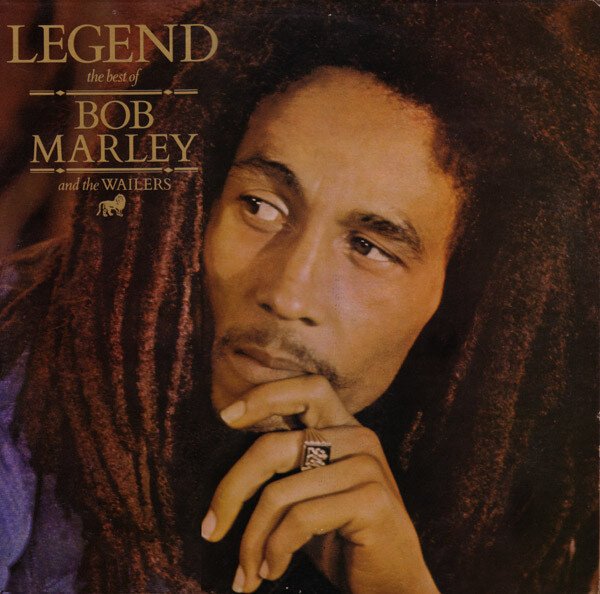 Bob Marley
Without weapons, without power, people found a way to say no through music.
And then came a young man with dreadlocks and a fire in his voice — Bob Marley.
His songs became sermons, his concerts gatherings of faith.
"Get Up, Stand Up.”
"Redemption Song.”
Each lyric was both a protest and a benediction, calling for courage, forgiveness, and love.
He played for the poor, for the exiled, for the dreamers — and his guitar became the voice of the voiceless.
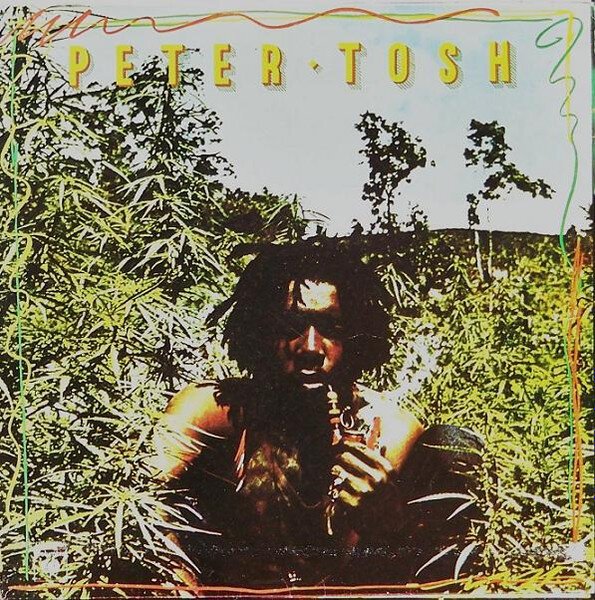 Peter Tosh
Through Marley, Reggae spoke not just to Jamaica, but to the entire world.
There was no hatred in his message, only resolve. He resisted oppression, yet refused to surrender to bitterness.
His music was guided by Rastafarianism, a spiritual movement rooted in faith, nature, and reverence for life.
"Jah,” the divine spirit, lived in every rhythm and every breath.
To play Reggae was to praise existence itself — to dance and pray in the same motion.
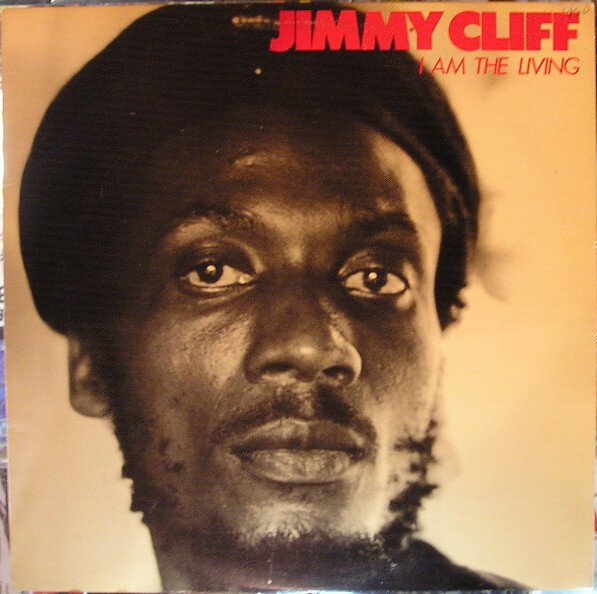 Jimmy Cliff
When Bob Marley passed away in 1981, the world mourned, but his voice did not fade.
It echoed in the work of Peter Tosh, Jimmy Cliff, and Steel Pulse, who carried his message across oceans.
"One Love” became more than a song — it became a philosophy.
Across Africa, Europe, and Asia, people who had never seen the Caribbean found solace in its sound.
Reggae had turned from local music into a universal heartbeat.
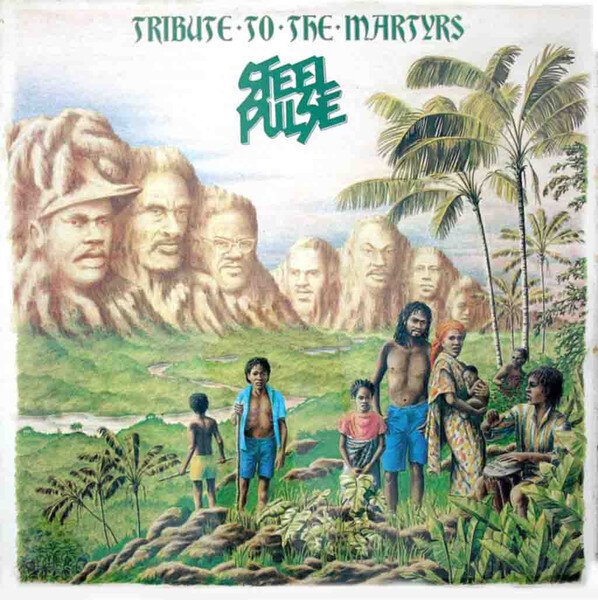 Steel Pulse
As time moved on, the rhythm evolved. The 1980s and ’90s gave birth to Dancehall and Reggaeton, infusing electronic beats into the island groove.
Even then, beneath the shifting styles, the pulse of the people remained the same — a bassline that spoke of unity, struggle, and hope.
Reggae is the music that transforms anger into compassion, and struggle into serenity.
Its slow tempo hides a fierce strength, its simplicity conceals deep faith.
It is resistance without violence, revolution without rage.
It is the sound of peace refusing to be silent.
And today, as the world spins faster and the noise grows louder, Marley’s voice still returns like the tide, whispering through the years:
"Love is the only force strong enough to change the world.”
Somewhere, on a warm night carried by the sea breeze, a bass hums softly beneath the stars.
That rhythm, steady as the earth’s own pulse, wraps every sorrow in light.
Reggae is still praying, quietly but eternally — that every heart, everywhere, may find its freedom.